

✷
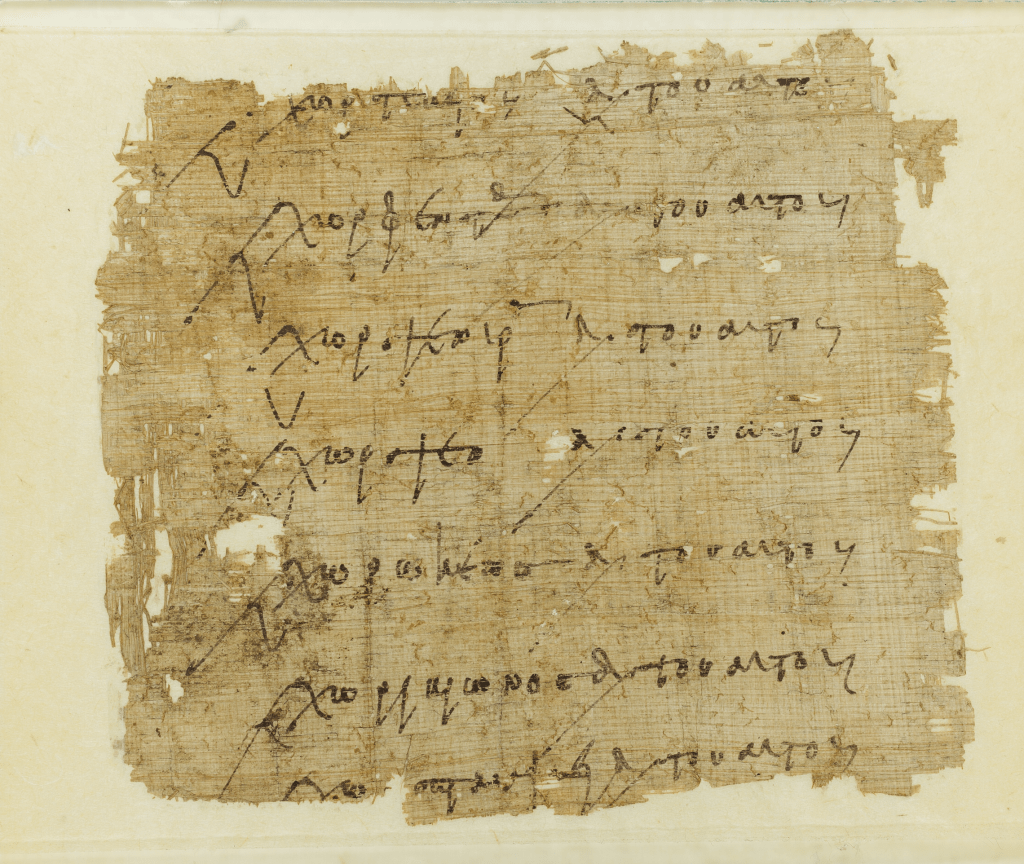
Papyrus fragment from the Ptolemaic-Byzantine Period in Egypt – not on view in The Met galleries
✷
If you’re an artist or creative person that uses Pinterest for inspiration, odds are you’ve experienced this: you want to work on a project but you need imagery or references to do so. You scroll and scroll, and your Pinterest feed is the worst it’s been in weeks.
✷
If you’re like me, this algorithmic betrayal might be enough to stop you from working on the project altogether. If it doesn’t, you might find yourself going with a subpar collection of images, and struggle through the piece.
✷
But where do you go when Pinterest fails you?
✷
When I first ran into this problem, I had no idea how to get around it. I could scroll through my camera roll, but that was rarely helpful. I didn’t want to jump ship to another social media site, though. Instead of hanging out where people had posted images and art they found interesting, I started looking for the places those people were getting their content.
✷
Eventually, that lead me into the wonderful world of museum and library digital collections. Many of these sites include items/pieces that aren’t even on display. Even more have advanced search functions, which allow you to search by things like topic, technique, date, culture, and more!
✷
I’ve found that this makes searching for references or inspiration images way more intentional for me. I have to actually think about what I want to see instead of falling prey to the zombie scroll. You can keep the searches fairly general if you’re looking for something unexpected/new, or very specific if you know exactly what you need at a given moment.
✷
That said, not all collections are created equal. In particular, their copyrights and how you can use their images differ from organization to organization. I’ll be getting into everything you need to know for using each of the following databases:
- The Smithsonian Open Access
- The Met Open Access
- The National Gallery of Art Open Access
- The V&A Museum Collections
- The British Museum Collection Online
- The Louvre Collections
✷

Girl Reading by William Baxter Closson (copied from Walter Shirlaw), from the Smithsonian American Art Museum
✷
Smithsonian Open Access
✷
I put the Smithsonian’s digital collections first for a very important reason. A large percentage of this database is licensed under a Creative Commons Zero (CC0) license.
✷
This means that you can use those images for any reason, commercial or non-commercial, without asking permission from the Smithsonian. Basically, you can do anything your heart desires with these images without being worried about violating a copyright. Just make sure that you’ve pressed the blue “Browse CC0 Images” button before your search, and you’re good to go!
✷
I’ve found that I gravitate towards the Smithsonian if I want to find patterns, landscape paintings, or photos/renderings of natural flora and fauna. There is of course much more than that within the collections, and I encourage you to check out what they have to offer for yourself!
✷
You never know! The filters you add to your search because you’re curious might just end up being your next big artistic inspiration!
✷
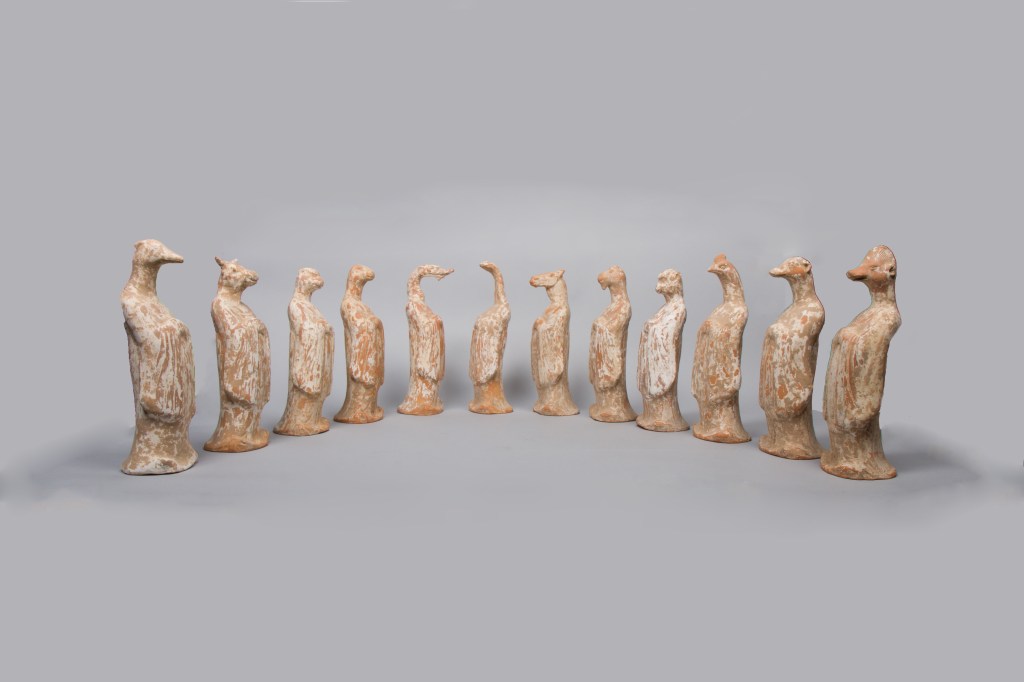
Twelve Zodiac Animals from 8th Century China – Currently on display at The Met Fifth Avenue in Gallery 207
✷
The Met Open Access
✷
The MET is part of the same Open Access Initiative as the Smithsonian. The MET’s database contains a wide range of art disciplines all available for you to use under the Creative Commons Zero (CC0) license. Just make sure you check the “Open Access” box under “show only” in the filter menu.
✷
When I say they have a wide range of disciplines, I mean it. In particular I would like to note the following general categories: fibers, ceramics/pottery, and metalwork. I could see a decent handful of more specific object type filters that could be grouped under each of those three general categories. Regardless of your artistic discipline, The Met most likely has pieces within it that were made across history.
✷
Many online databases have descriptions provided with each search result, though admittedly to varying degrees. A coin may not have the same depth in its description as a large sculpture, for example.
✷
That said, The Met is particularly good at providing information within their descriptions. There’s also a “Learn more about this artwork” section with search results you can click on to dive deeper into the subject. If you’re looking to uncover the stories behind the objects/art you find, The Met’s databases are the first place I’d recommend.
✷
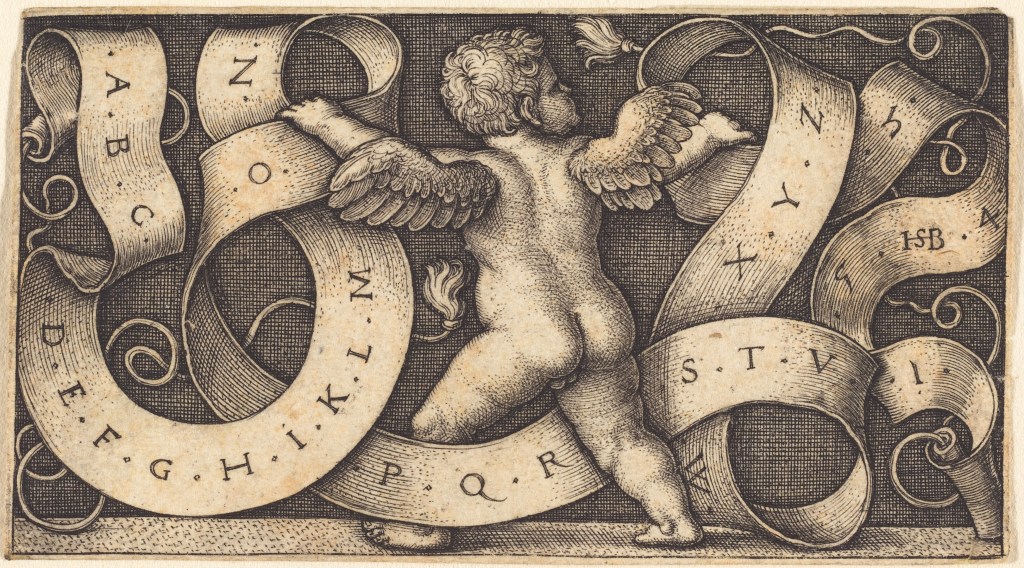
“Genius with Alphabet” by Sebald Beham in 1542 – not on view in the National Gallery of Art
✷
The National Gallery of Art Open Access
✷
I put The National Gallery of Art as the last of our open access trio for a specific reason; It’s the most difficult to use, and doesn’t filter out copyrighted pieces easily. I’m hoping that this link to the database will keep my filters, but just in case it doesn’t I’ll go into what to do to find those copyright free images.
✷
The first thing you should do is click the “Image Download Available” button on the right side beneath the search bar. You’ll also want to go into the filters and check “Images Available” under “Image Availability.” Lastly, your best bet is to go into the “Date Created” section and filter it to not show anything created after 1923. In the US, works created before 1923 are automatically in the public domain. You might miss a few public domain images created after 1923 (because the artist has released copyright, for example) but this search should only return public domain content.
✷
If you’re looking for more contemporary work, you likely won’t be able to use it for commercial purposes. However, contemporary work can be a great source of inspiration for artists. It also lets you see what artists living in our time period are thinking and creating about. The National Gallery of Art in particular has some absolutely stunning contemporary pieces that I would absolutely recommend checking out regardless.
✷
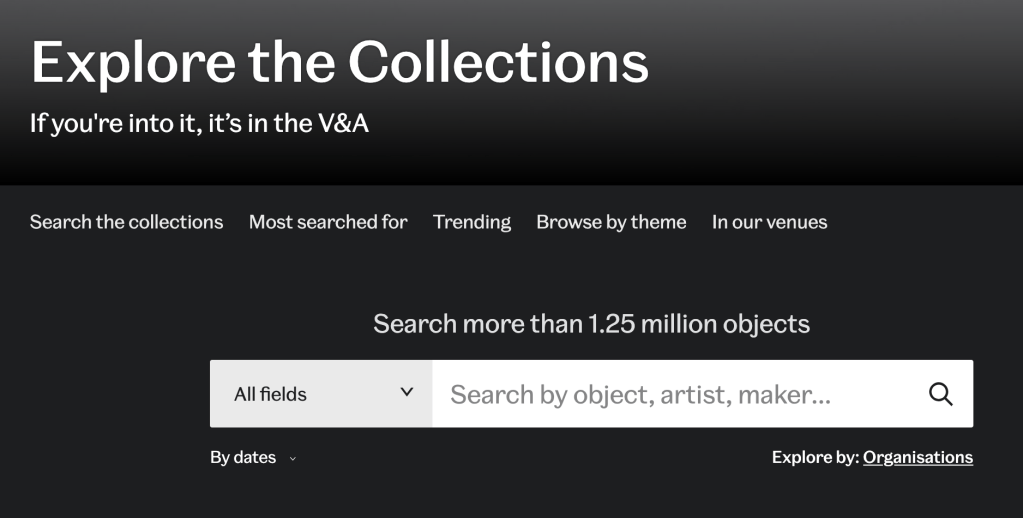
A screenshot of the V&A Museum online Collections search bar
✷
The V&A Museum Collections
✷
The V&A Museum Collections database is vast and an excellent place for visual artists in particular to go to for inspiration. In this case, I do mean strictly for inspiration.
✷
Due to The V&A’s full copyright policy, these are not images that you can use as-is in your art or design. There are specific clauses allowing for non-commercial personal use for private study, as well as a few exceptions when it comes to usage for academia/education and charity.
✷
The V&A online collections are actually a commercial Image Library. This means that they charge people for the rights to use their images for any commercial purposes. There’s no obvious fee for image usage, which leads me to believe that the price depends on the usage requested. Oh, and you do have to contact V&A Images directly if you want to do any of this.
✷
You might have noticed that I didn’t include an image of a piece of art at the start of the section. That’s because I don’t want to worry about whether or not I’m using it in accordance with their copyright policy.
✷
All of that aside, the online collections truly are a fantastic place to explore when you need ideas. Like many other databases, there’s detailed filters you can use if you want to find something specific. The search is easy to use and intuitive. You can also check things like trending pieces, and browse the collections by theme.
✷
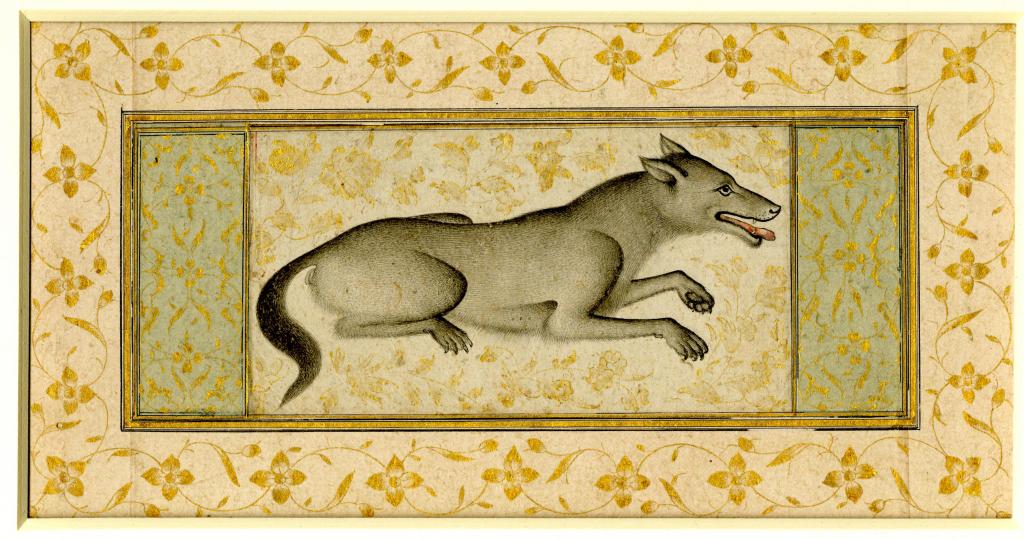
Image of a wolf laying on his stomach, by the Isfahan School in 1675 Persia © The Trustees of the British Museum. Shared under a Creative Commons Attribution-NonCommercial-ShareAlike 4.0 International (CC BY-NC-SA 4.0) licence.
✷
The British Museum Online Collection
The British Museum collections are extensive, and their online collection is no exception. You can find art through numerous time periods and from all over the world. As a result of Britain’s various colonization efforts, the collections cover a much wider scope than you might see in some of the other databases.
✷
When it comes to filtering, The British Museum pulls out all the stops. To name a few of these options, you can filter by date, place, culture, material, technique, and subject. I would say that the British Museum is on par with The Met in terms of the amount of specificity you can filter with, and the amount of information provided on each individual entry.
✷
But what about copyright within the Collection?
✷
Well, most (if not all) of the images within the British Museum’s online collection are free to use under a specific Creative Commons license. You can see the full credit above just before the section heading.
✷
What this specific license means is that you’re free to use the images for any non-commercial use, as long as you provide attribution. The British Museum makes this easy by providing the exact credit they want when you click on an entry and click the “Use this Image” button in the bottom right of the screen.
✷
The British Museum is one of the heavy hitters I use when creating art-history specific boards on my Pinterest. For example, I have a board with only art of horses, and one with only depictions of the Goddess Hekate. The British Museum’s online collection definitely features in both of them.
✷
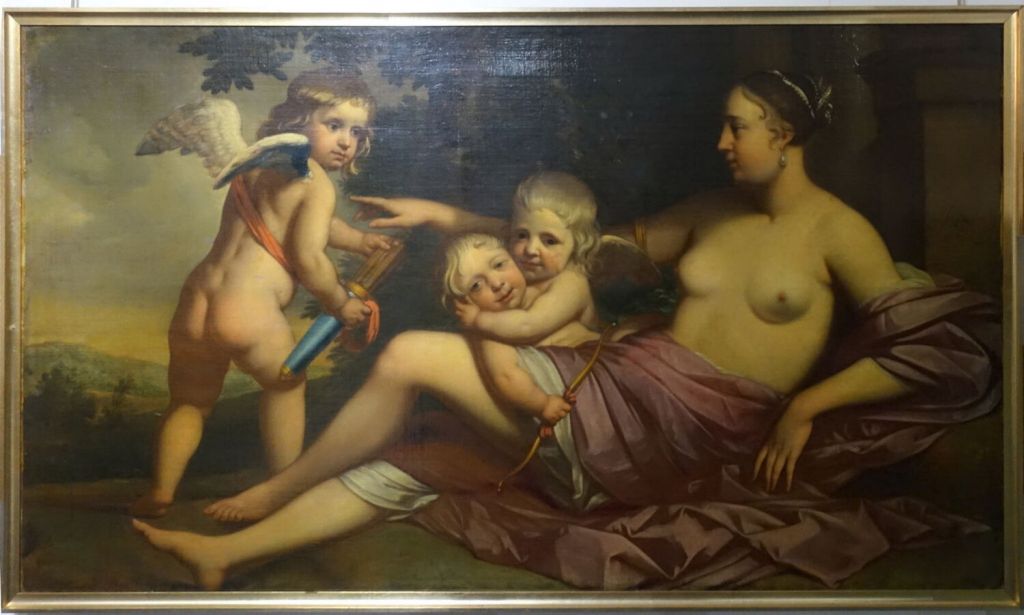
Vénus et amour et enfant © 2023 Musée du Louvre / Département des Peintures
✷
The Louvre Collections
✷
If you’re looking for some particularly popular museum works and you don’t mind a little French, I would highly recommend checking out The Louvre’s online collections. They technically have an English version of the collection, but most of the entry descriptions remain in French. Google translate will be your friend when browsing this database!
✷
The Louvre’s online collections have a modest filtering system. It’s not as extensive as The Met or the British Museum, but it still allows you to get a relative degree of specificity. The “Category” filters are the main ones I use for general browsing. These separate the works by medium/form (painting, sculpture, etc).
✷
The copyright policy for The Louvre’s online collections is similar to that of the V&A’s database (though slightly less intense). Works that are not protected by any other policy are free to use for personal and a few academia-specific cases. Attribution is also required wherever the images are used.
✷
In particular, I would recommend the Louvre’s online collections to painters and sculptors. There are some excellent pieces that would be perfect for your next master copy! As a painter, I am absolutely enamored with the beautiful and skillful paintings within the collection.
✷
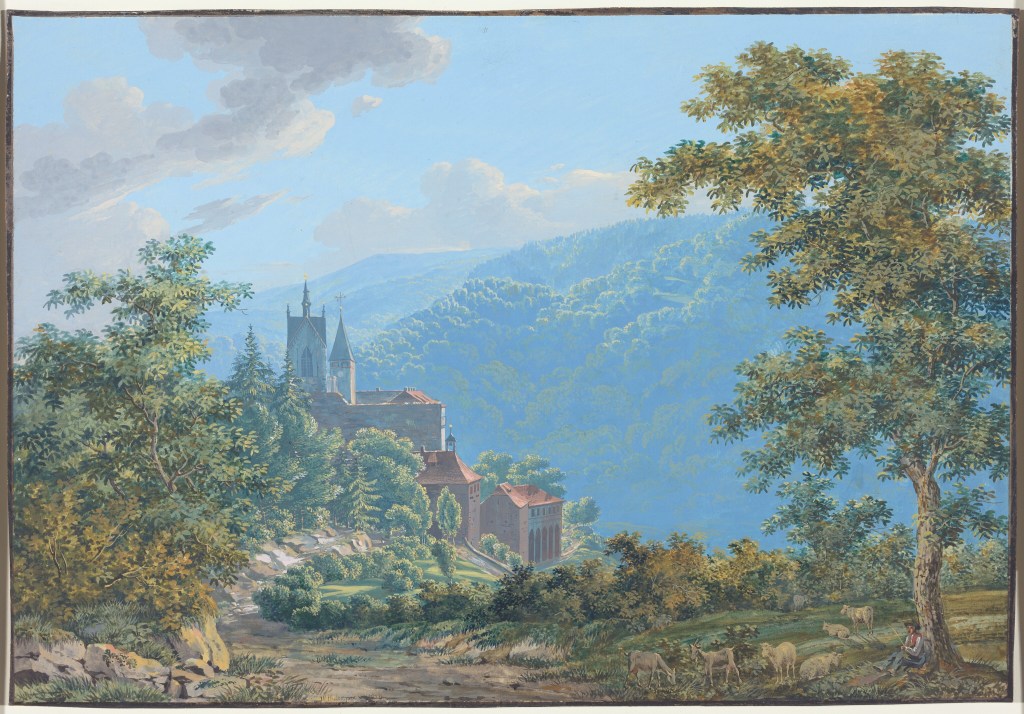
A Fortress in a Mountain Landscape at Sunrise by Jakob Wilhelm Huber in 1810 – not currently on view in the National Gallery of Art
✷
In Closing…
✷
When you’re looking for art references, inspiration, or design elements, there are a lot of options available outside of Pinterest. There’s also even more options than I listed in this post– these are just the big ones.
✷
If you check the website of any museum, you might find that they have an online collection available. A lot of institutions have been working on digitizing their collections, and I expect that number will only increase.
✷
I’ll be making posts in the future with some of the hidden gems that I’ve come across in my search!
✷
What are your favorite online collections? Are there any you love that I didn’t mention in this post? I’d love to hear from you. Maybe we can even get some discussion going!
✷
Click here for part two of this series:
✷

 bogprism
Leave a comment