

✷
I’m a spiritual artist. If I were to get more specific, I’d say I’m an animist pagan artist. Those words could mean a variety of things depending on who you ask, so let me get into what they mean to me.

Let’s start with animism!
✷
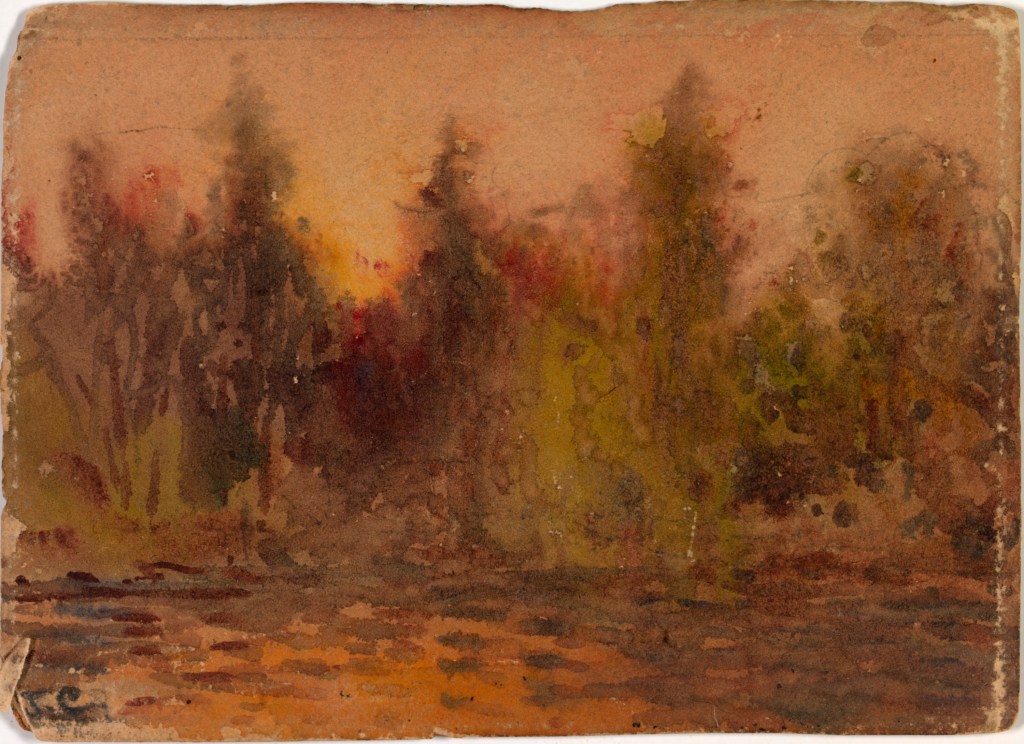
An animist is someone who believes that the world is alive with other-than-human spirits. This could mean that they believe all animals have spirits, but that belief often also extends to plants, rocks, and sometimes even man-made objects. As an artist, I believe that some of my tools have developed their own spirit through repeated use over time. If you keep an open mind and sit and listen, you might find yourself believing some of the objects you use daily have developed their own personalities too.
✷
When I make art it’s not solely my creation. I share that title with my tools and materials, as we all work together to create something new. Any painting I make is a conversation between myself and my paints, any sculpture a conversation between myself and the clay. Some of my tools I’ve had since I was 11 or 12 years old— they’ve been with me for the entirety of my artistic career. If that doesn’t hold some magic in it, I don’t know what does.
✷
A brief example from Japan…
In Japanese folk belief, there is a term for these tools with spirits: tsukumogami. Depending on which sources you’re looking at, tsukumogami are created after an object reaches either 99-100 years old, or simply “many” years old. After this point, the object would become inhabited by a spirit/gain a soul. The concept was popular going back as far as the tenth century during the Japanese Middle Ages. While the belief in objects or tools with spirits is by no means relegated solely to Japan, tsukumogami is one of the easiest and best documented examples I was able to find.
✷
If you ask me, man made objects gain spiritual energy the more time and care that’s put into them. For some items, that spiritual energy might eventually evolve into an embodied spirit.
But how does one interact with spirited objects?
If you want to try experiencing these spirits, I’d recommend starting with a few locations. Museums are perhaps the easiest places to see exquisitely crafted objects with hundreds of hours put into them. The feeling they give off might be reverent and quiet, or perhaps pride or any other slew of emotions. If you’re having trouble experiencing this at a museum, I have a handful of other locations for you to try. Namely, I would suggest mosques, temples, and churches. Not all of them will be full of human artistic expression, but many of them will have been beautifully decorated over large swaths of time.
✷
Should you try any of this, don’t be discouraged if you can’t really feel anything from man-made objects. Western society teaches us to see them as cold and unfeeling, and that bias can be difficult to overcome— even if we really want to. If you run up against these road blocks, it might be time to break out the animism training wheels. My first recommendation is to find somewhere in nature that’s incredibly beautiful and spend some time meditating with the natural elements there. Don’t try to force anything or judge what comes up for you; just sit and feel. You might be surprised by what happens.
✷
I didn’t initially walk into this trying to give a step-by-step, but while we’re here why don’t we talk about it? I’d be happy to answer any questions anyone has, as well as to hear about your experience giving animism a shot. I’d also love to hear from experienced animists because I’m sure y’all will have thought of techniques and tips that I haven’t yet. Let’s all learn from each other!

On to Paganism!
✷
At the beginning of this blog, I also mentioned being a pagan. This one’s a bit easier to explain, so I’ll keep it short. As a pagan, I worship deities from Greek and Norse mythology. I study the mythology, stories passed down over centuries, and come away with life lessons from the ancients as well as inspiration for my art. When I feel stuck or in need of a higher power, I take the time to pray to my deities.
✷
I keep altars to my main deities, and I’m constantly adding new offerings and decorations as part of my devotional practice. Altars are a way I express my spirituality in a visually creative way that makes me feel more connected to my deities. In a way, each altar I create is its own living, breathing space. I’m not sure if I’d classify them as having a spirit of their own, but that’s something I’m going to be thinking about going forward.
✷
Research is also a HUGE part of my spiritual practice. I was a double major in college, with one of my majors (Humanistic Studies) being largely geared towards history and anthropology. Practically nothing gets me more excited than deep dives into archives and primary sources. As a pagan, research is basically a prerequisite. There’s room for personal experience of course, but I really enjoy learning as much as I can about the ways ancient people worshipped and conceptualized of the deities I follow centuries later.
✷
This need for research in my spiritual life bleeds over into my art as well. If you’ve spent time with any of my other blog posts, you may have come across my “draw & learn with me” or my “ARTifact roundup” series. Both are ways in which I’m trying to blend my art and academia into one informative package. On top of that, the research I do in the spiritual sphere of my life also informs my art. I’ve made more than a few pieces reflecting upon the myths and histories of the deities I worship. Art helps me to feel more connected to my spirituality, as well. Not everything I make is directly inspired by this facet of my life, but it is all informed by it in some way or another.
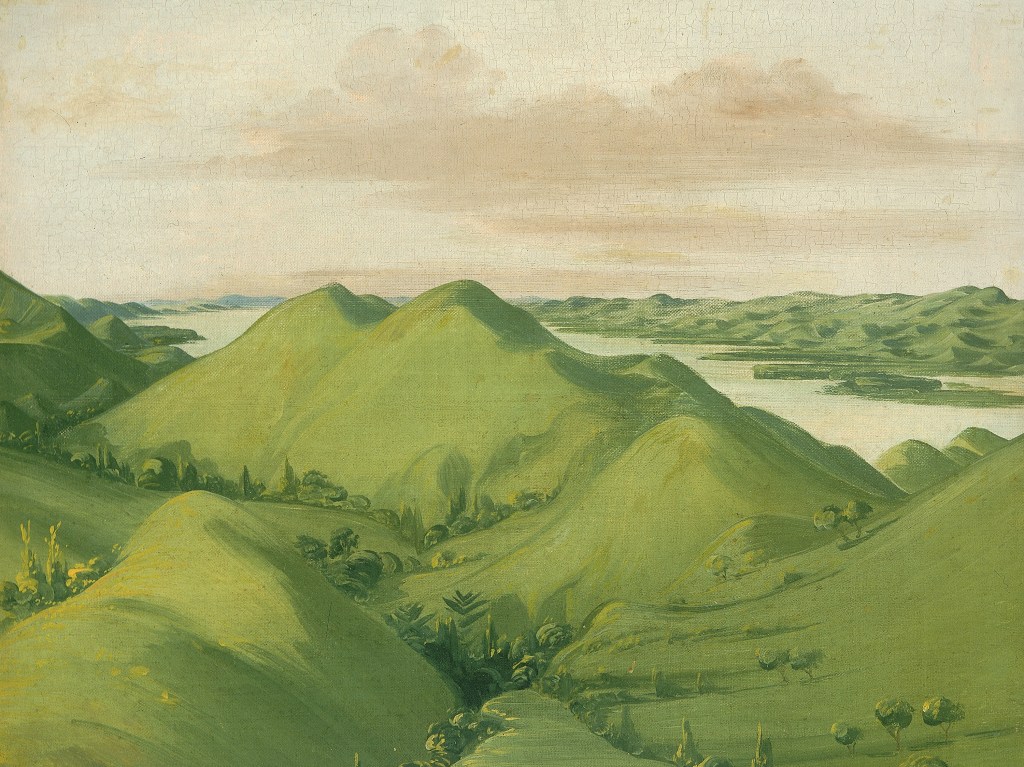
Why talk about it?
✷
I debated for quite a while about whether or not I was going to mention any of these beliefs on any of my professional accounts and website, to be honest. I was worried about pushing people away or coming across as too weird for potential clients. I wanted to hide this part of myself away in case others found it objectionable or even “satanic”.
✷
Obviously, the voice of doubt hasn’t won this time around. Like it or not, my spirituality and religion are fundamental aspects of who I am. At their core, animism and paganism are ways of looking at the world and processing it mentally. They’re the filters through which I experience existence, and as such are inseparable from the art that I make. To deny these parts of myself would be a shrinking of who I am. Not only would this be a detriment to anything I make for myself, but it would also be a detriment to the work I produce for clients.
✷
As such, here I am in my totality— weirdness and all.
✷
I’m incredibly passionate about my role as a spiritual artist, and I hope that shines through here. This is a topic I feel like I could write about for days if I’m being honest. I’d be happy to discuss and share more if anyone has any questions or thoughts they’d like to add! I really want to build some community on my blog, and comments help with that tremendously. Let’s all learn from each other and wade through this bog together!
✷
Until next time,
Alex
✷

 bogprism
Leave a comment