

✷

Photo by Deniz Demirci on Unsplash
✷
Hey there! I have a Humanities degree, which I took primarily history classes through. As such, I’m actually fairly passionate about the different kinds of sources and how they should be used. In particular, today I want to talk about artifacts as sources in papers, research, and even blog posts like this one! I know it can get confusing sometimes, so I’ve done my best to break down the most common questions.
✷
What exactly is a primary source, and how does it differ from secondary sources?
✷
A primary source is one which was created at or around the time of an event or time period being studied. This is also sometimes called a “first-hand account.” Examples of primary sources can include newspapers, journals, photos, and artifacts.
✷
A secondary source on the other hand is one that was created after the event or time period being studied. Secondary sources usually “retell, analyze, or interpret events, usually at a distance of time or place” (source). Examples of secondary sources can include blog posts, textbooks, exhibition catalogs, and commentaries.
✷
Primary sources are the backbone of any good academic argument, and secondary sources should primarily be used to support the primary ones.
✷

© The Trustees of the British Museum. Shared under a Creative Commons Attribution-NonCommercial-ShareAlike 4.0 International (CC BY-NC-SA 4.0) licence.
✷
What is an artifact? Are artifacts primary sources?
✷
To put it simply, an artifact is an object made or altered in some way by humans. Typically, we use the word to describe items which come from periods in history. I don’t think there’s a hard and fast rule for how old something has to be in order to be considered an artifact, but colloquially we’re more likely to call an object an artifact the older it is.
✷
As I mentioned briefly above, artifacts are indeed primary sources for the time periods from which they come. You’ll typically see people talking about works of writing when they mention primary sources, though the material culture of a time and place is perhaps one of the best ways to learn about that time and place.
✷

© The Trustees of the British Museum. Shared under a Creative Commons Attribution-NonCommercial-ShareAlike 4.0 International (CC BY-NC-SA 4.0) licence.
✷
How do you use an artifact as a primary source, anyways?
✷
Something I realized might be tricky is figuring out how exactly to go about using an artifact as a primary source. You can’t use anything written about the artifact itself, as that would be a secondary source.
✷
Instead, the only primary source information about an artifact is its actual physical characteristics. This includes information about the size and appearance of the object. For the artifact pictured above this section, one might mention that it’s made of ivory that’s been carved into.
✷
From the physical characteristics of an object, one can then start to formulate what those characteristics might mean in the wider historical context of the artifact. This is the analysis stage of the research where the real heavy lifting is. An academic would bring in secondary sources at this point to support their argument and observations.
✷

© The Trustees of the British Museum. Shared under a Creative Commons Attribution-NonCommercial-ShareAlike 4.0 International (CC BY-NC-SA 4.0) licence.
✷
Is the location an object was found in part of the primary source?
✷
One point of potential confusion when it comes to using artifacts as a primary source is whether or not the location of its finding is included within that. While very important information to consider when analyzing an artifact, this information would be found within a secondary source (most likely a journal article written by the finders of the object).
✷
But why is this?
✷
This essentially boils down to the fact that the artifact would have been found outside of the time period that it was created within. Between the creation of the object and its finding, it may have traveled over great distances and exchanged hands many times. Although this is not part of the primary source of the physical artifact itself, it remains important information to consider nonetheless.
✷
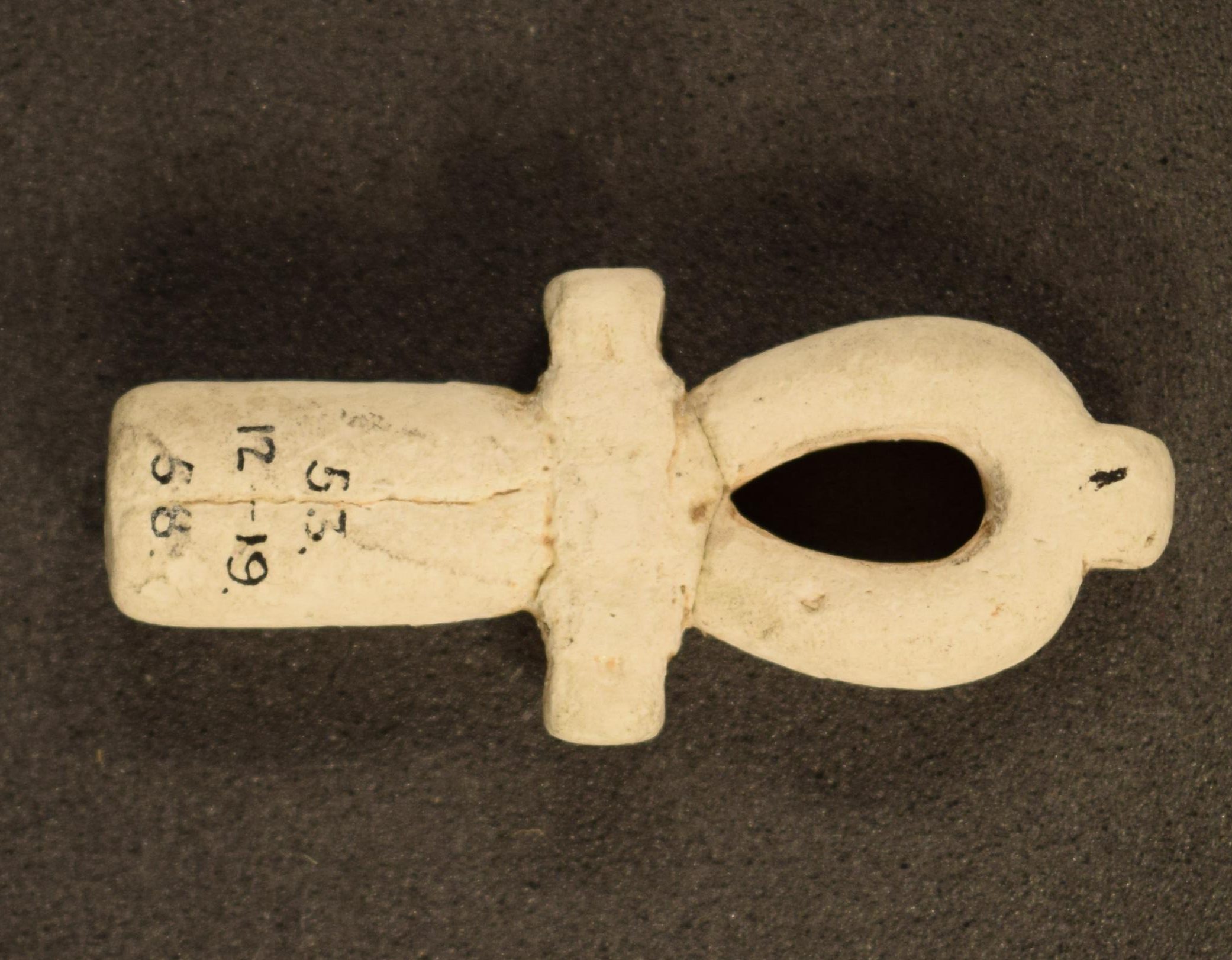
© The Trustees of the British Museum. Shared under a Creative Commons Attribution-NonCommercial-ShareAlike 4.0 International (CC BY-NC-SA 4.0) licence.
✷
What should you use in your arguments? Are primary sources better than secondary sources?
✷
Overall, one should use a combination of primary and secondary sources when formulating an academic argument. Both types of sources are important for different reasons. Primary sources create a solid foundation by bringing the actions, thoughts, and feelings of the people you’re studying into your arguments.
✷
Secondary sources on the other hand allow you to engage with the wider discourse of thoughts and conclusions made after the time of the people you’re studying. In some ways, this allows you to “stand on the shoulders of giants” and build upon the research done before you got your hands on the topic.
✷
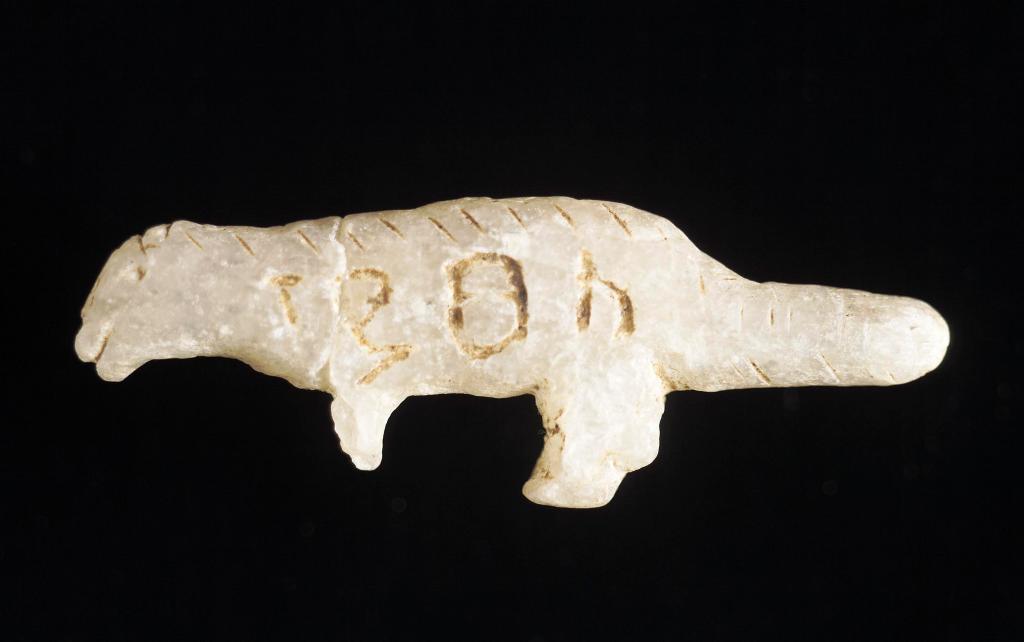
© The Trustees of the British Museum. Shared under a Creative Commons Attribution-NonCommercial-ShareAlike 4.0 International (CC BY-NC-SA 4.0) licence.
✷
Closing thoughts…
✷
I hope that my post has helped you to better understand primary and secondary sources, and artifacts as primary sources. Studying the material culture of a time and place is incredibly rewarding, and artifacts play a huge role in that. Using an artifact as a primary source is easy to overlook, especially when there’s a wealth of secondary sources available. However, the physical characteristics of an object provide invaluable information about the peoples of the past.
✷
As always, I’d be happy to answer any questions or comments that anyone might have! There’s a lot about academic sources that I didn’t mention in this post, so keep an eye out for more blogs on the topic in the future.
✷
Have a wonderful rest of your day/night, and enjoy your stay here in the bog!
✷

 bogprism
Leave a comment